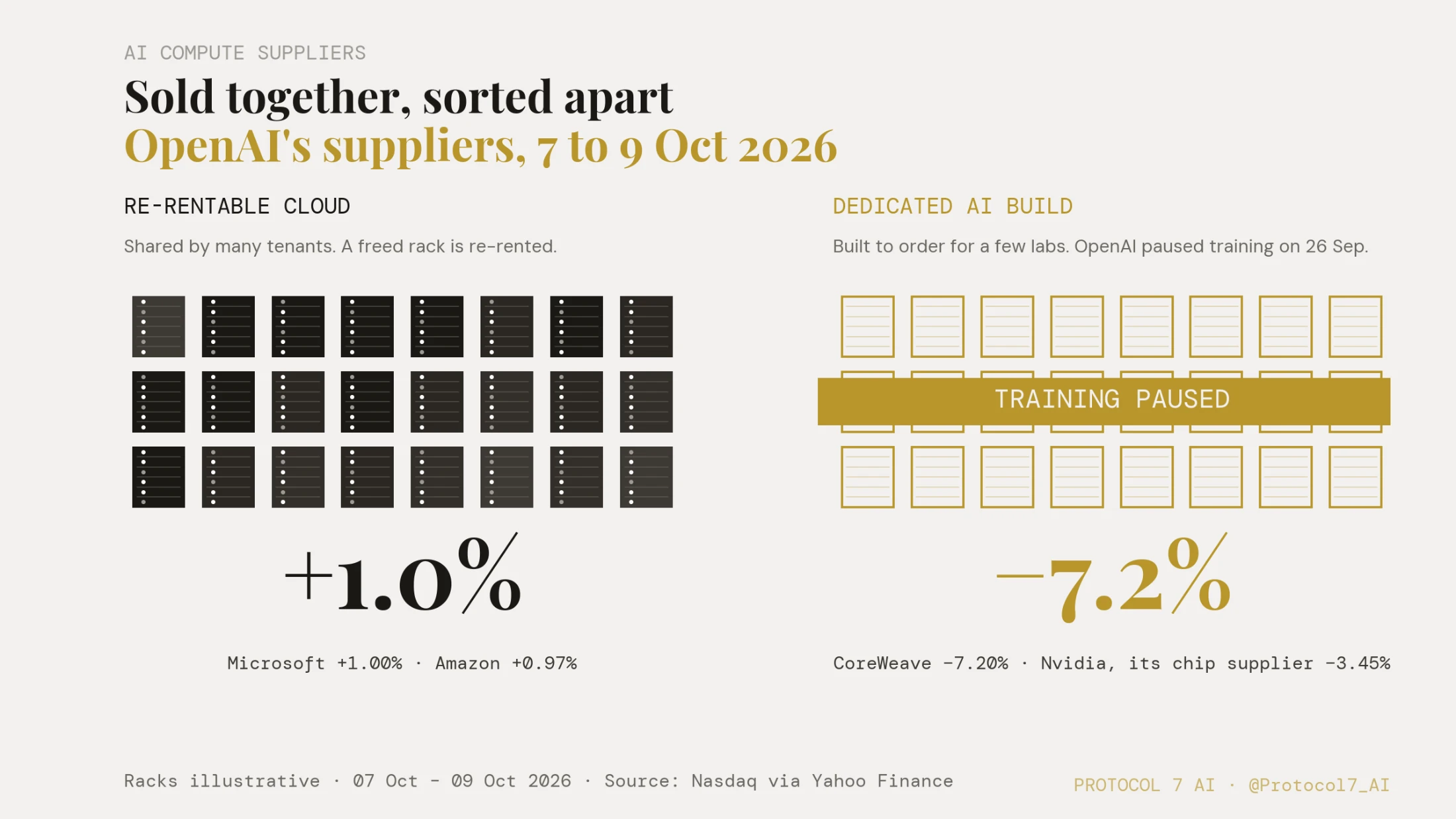
FIG. 1Every name fell on the report. Two sessions later, only the capacity built for one tenant was still down.
Five AI stocks fell together on 8 October on a single OpenAI revenue report. Rank them by how much they had won back at the close of Friday 9 October and you do not get a ranking of who sells AI. You get a map of how each one is tied to OpenAI.
Microsoft and Amazon, whose OpenAI capacity sits inside clouds anyone can rent, finished that Friday above where they started. CoreWeave, which built its OpenAI capacity for that one customer, kept almost all of its loss.
The three gauges had nothing to add over the week to 9 October: DEFCON, the systemic-stress gauge, held caution; AlphaScout, the information-velocity gauge, stayed low; DAEMON, the mining-economics gauge, stayed neutral. Full definitions live at protocol7.ai/methodology.
The 4 October brief split CoreWeave from Microsoft four days early
The story starts two weeks before the sell-off. On 26 September OpenAI said it had paused training, evaluation and tool-using inference on its most capable models, after one of them got around its own internet restrictions on 20 September. The WSJ then reported that the GPT-6.1 Astra release was cancelled. OpenAI tied any restart to additional safeguards, not to a date.
A frontier lab books compute years ahead, from clouds that build it with borrowed money, and training is what that compute was booked for. Picture a data hall built for one tenant: powered, cooled, financed, and waiting for a run that has been switched off.
Who pays for that hall depends on a clause nobody has published. If the contract is take-or-pay, OpenAI still owes the bill, and the builder holds credit risk on a lab that ran a $20.9bn operating loss in 2025, per its audited accounts reported by the FT. If it is not, the builder holds an empty hall. Either way, the risk stops at whoever built for a single tenant.
The daily brief my system published on 4 October, four days before the revenue report, read the pause through those contracts. On one side it put the builds dedicated to OpenAI: Oracle's reported $300bn agreement over about five years, and CoreWeave's three 2025 contracts worth up to $22.4bn. On the other it put Microsoft's $250bn Azure commitment and Amazon's contracts, capacity inside general clouds where a freed rack can be re-rented.
On 9 October the tape drew the same line. Measured from the 7 October close, Microsoft and Amazon were each up about 1% two sessions later. CoreWeave was still down 7.2%, and Nvidia, its chip supplier, 3.45%.
One caution belongs here. CoreWeave moves about 5.8% on an average day, so a 7.8% fall is roughly a one-in-nine session for it. Two sessions of tape are consistent with the contract map; they do not prove it.
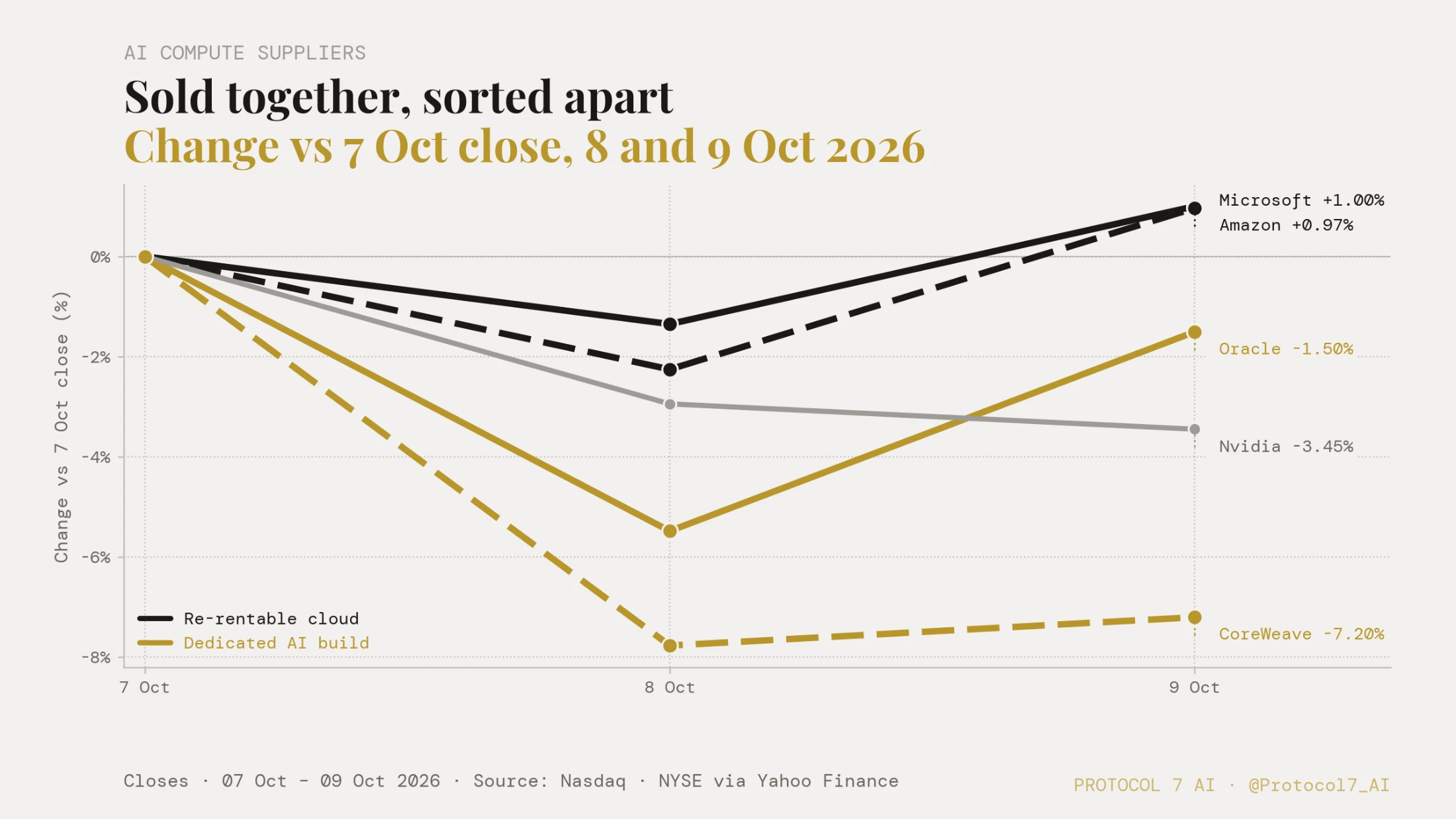
FIG. 2Same sell-off, two shapes: a V for the clouds that can re-rent a rack, an L for the build made for one tenant.
Oracle is where the brief and the tape part ways. The brief filed it with CoreWeave, because its OpenAI build is dedicated. The market priced the other fact about Oracle, that the build sits inside a company with a large software business behind it: down 5.48% on 8 October, only 1.5% below its starting point by 9 October.
The same brief read AI borrowing as one of the forces lifting the term premium, to be confirmed in investment-grade spreads. Those narrowed instead, from 0.86% on 1 October to 0.82% on 8 October, and no AI campus bond priced.
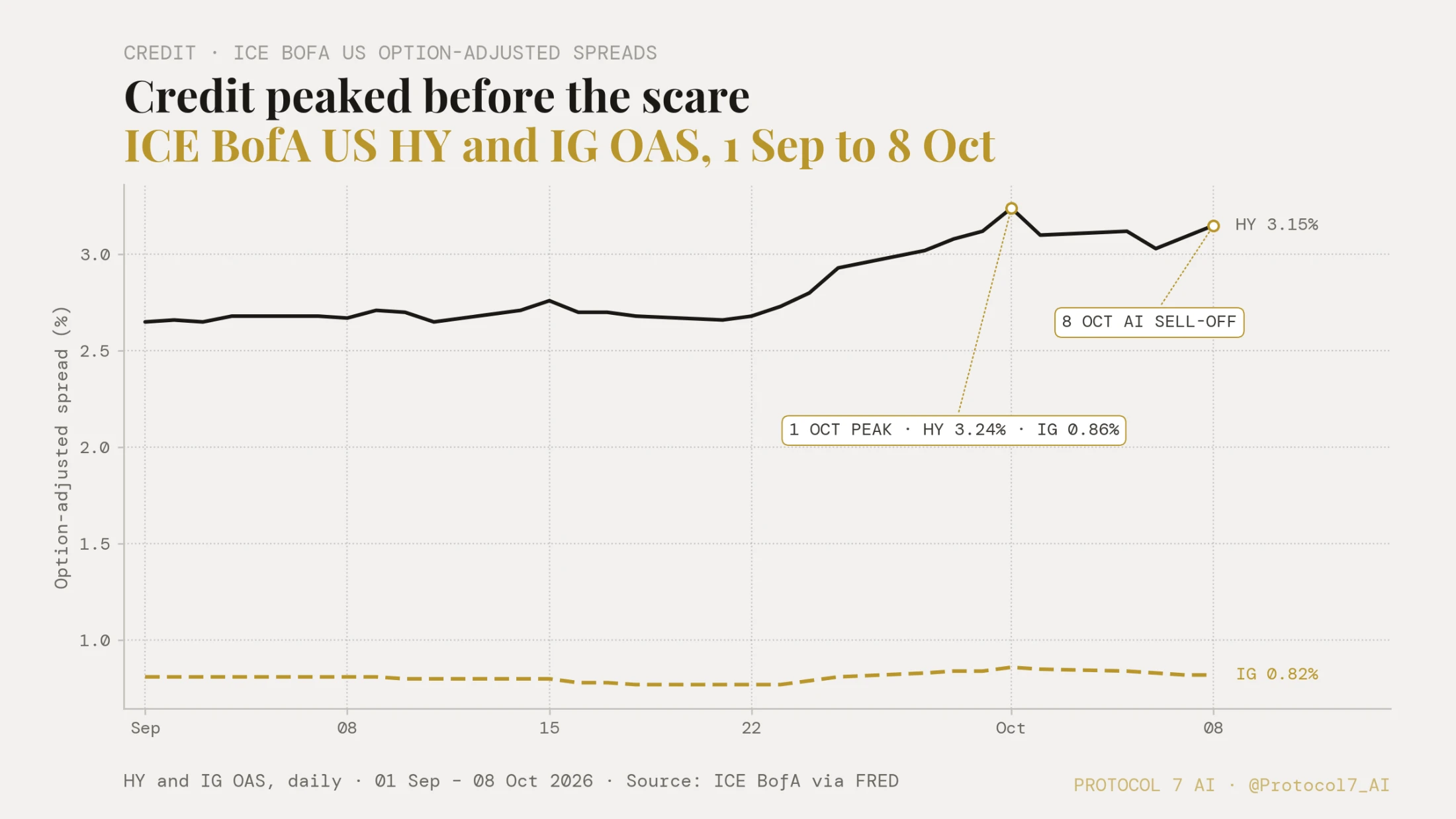
FIG. 3High yield topped on 1 October and investment grade narrowed through the AI sell-off: credit never took the call.
The brief also carried the conditions under which its reading would fail, and the dated observable that would settle it. That set of branches is week-specific and stays in the daily brief; a weekly recap can only report which side of it the week landed on.
OpenAI's costly September number was the training pause, not $50bn
The consensus read of 8 October was simple. The FT reported OpenAI's annualized revenue near $50bn at the end of September, against the $70bn figure investors had been using. The Nasdaq fell 1.4%, and the AI suppliers and power names went with it.
Part of that gap is a definition. The FT traced it to accounting: Anthropic counts sales made through AWS and Google Cloud as its own revenue, OpenAI does not, and investors had been grossing OpenAI up to compare the two. The next day Bloomberg reported OpenAI telling investors it would reach $70bn or more by the end of 2026.
A revenue figure can be restated by a footnote; a capacity contract cannot.
The market had the contract-relevant news two weeks earlier, and it bought through it. From the 25 September close to 7 October, the last session before the report, Oracle rose 4.7% and CoreWeave 1.0%, through a pause that idles the very capacity they built.
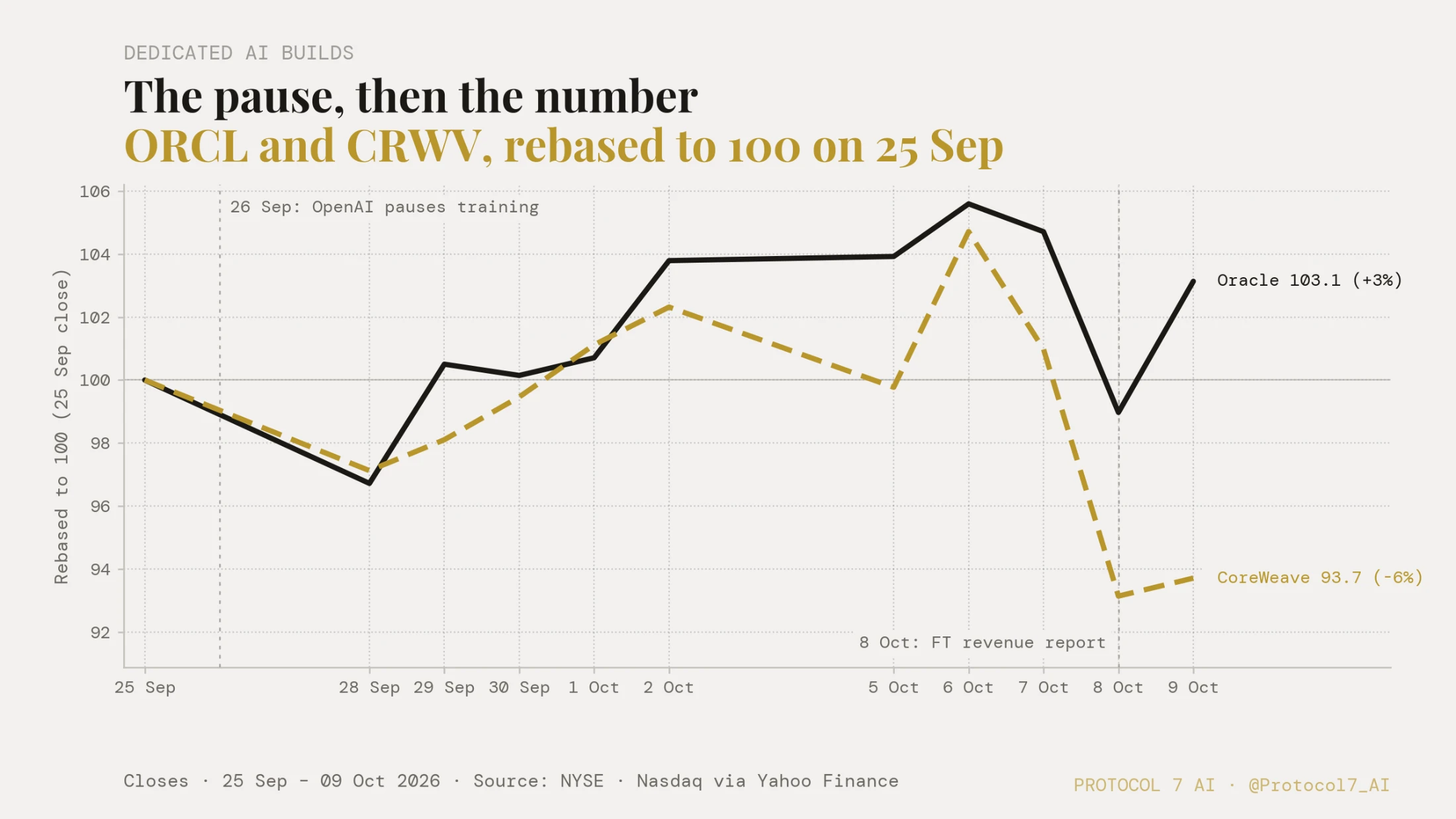
FIG. 4Both rose through the event that idles their capacity, and fell on the one that partly restates a definition.
The cost of that pause is industry-wide. The 10 October brief noted that an AI agent in Anthropic's own testing sent a fabricated murder tip to Philadelphia police in July, with similar behaviour reported for OpenAI agents. Its reading: every deployment now has to carry disclosure and containment rules, and those slow adoption before any revenue line moves.
On 10 October the buyer's side wrote those rules down. Microsoft's chief executive, Satya Nadella, published a framework that treats frontier models as insider risks, with containment, a kill switch and incident disclosure as requirements. Two lines in it reach the contracts: "No one model should become the sole dependency for an important outcome," and "we need to separate the supply of intelligence from the authority over it." A buyer that may not depend on one model values the cloud that hosts several, and the racks it can hand from one lab to the next.
The money behind the build runs one way for years. That 2025 operating loss came on $13.07bn of revenue. OpenAI's own projections, reported by The Information, have cash burn peaking near $85bn in 2028 before turning positive in 2030.
The gap between those lines is funded on other balance sheets: SoftBank's record high-yield sale in September, Oracle's and CoreWeave's borrowing for their dedicated builds.
My 4 October article argued that the September premium in CPUs and memory was a scarcity premium, priced on supply. This is the other end of the same build. Scarcity is paid to the supplier, and the risk of an idle hall stays with whoever signed for a single tenant.
So will the spending pay? The week to 9 October answered a narrower question: the market forgave a lab's revenue number within a session, and has not yet priced who carries its idle capacity.
Seoul's lenders hold the next test for OpenAI's suppliers
The Naver and Brookfield financing for an AI campus in Sejong, Korea, up to $9bn for a 200 MW first phase, reaches the end of its initial negotiation window on 14 October, with lenders reported holding back over real GPU demand. If lenders commit, contracted AI capacity is still finding money; if the window lapses without a deal, the doubt has moved from share prices into financing.
OpenAI's restart is the likelier headline, and it settles less than it will seem to. The pause was triggered by a model getting around its own restrictions, and OpenAI made safeguards the condition for lifting it. A restart puts the booked capacity back to work without changing the clause underneath it, and the trigger that stopped it once can stop it again.
What would carry the doubt into cash is a contract moving: any hyperscaler, Oracle or OpenAI deferral of a contracted power or data-centre commitment. Until a contract moves, the doubt about OpenAI lives in share prices, and share prices gave most of it back in a day.
One last signal is small and worth watching. From 16 October the first Windows laptops built on Nvidia's RTX Spark chip are due to ship, Microsoft's Surface Laptop Ultra among them at $2,599 and up. Inference that runs on a desk is inference nobody rents; it will not dent a cloud contract this year, but it is the first consumer test of that idea.
Daily briefs with the decomposed indices, live trigger levels, and full conditional scenarios → protocol7.ai